As we stand on the threshold of a technologically advanced future, understanding the basics of electronics becomes increasingly crucial. These foundations offer the blueprint for designing and functioning the myriad devices we see and use daily. One of the most pivotal elements in this electronics landscape is the foundations of analog and digital electronic circuits. They serve as the building blocks upon which our modern technology is created, and a clear understanding of these can provide insights into the fascinating world of electronics.
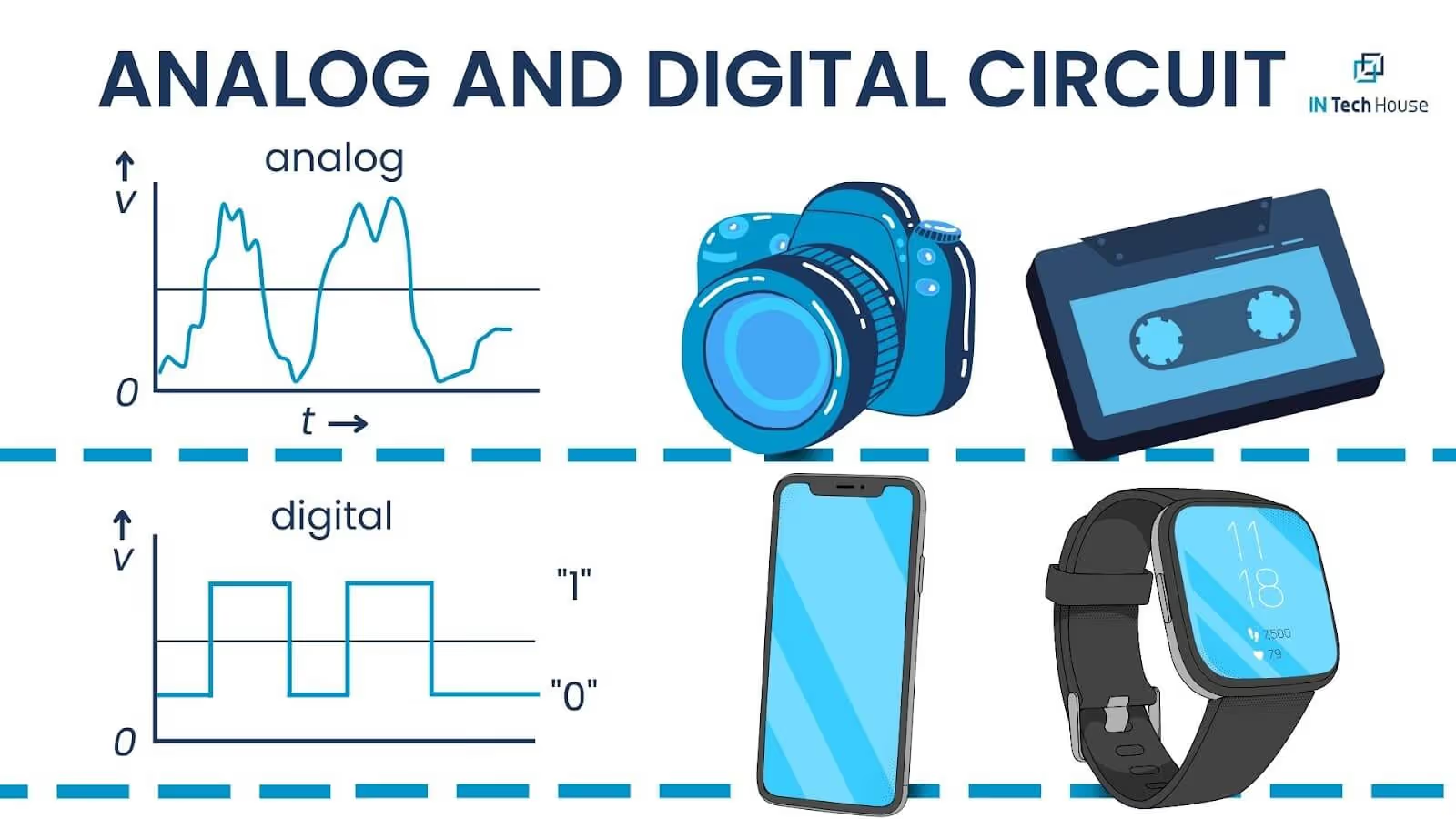
Given the stark differences between the two, how does one choose between analog circuits or digital circuit? The decision largely depends on the task at hand.Analog circuits excel in areas requiring the precise processing of continuous signals, making them ideal for audio and video applications.Conversely, digital circuits find their strength in tasks that require logical operations, data storage, or computational ability, as seen in computers, digital watches, and modern communication devices.
To better appreciate the expanse of the electronics field, it helps to grasp the basics of analog and digital electronics. Though we live in an age witnessing a growing dominance of digital technology, analog electronics retain an important place in the fabric of modern technology. Numerous applications, from music production to radio broadcasting and medical diagnostic tools, are still fundamentally reliant on analog principles.
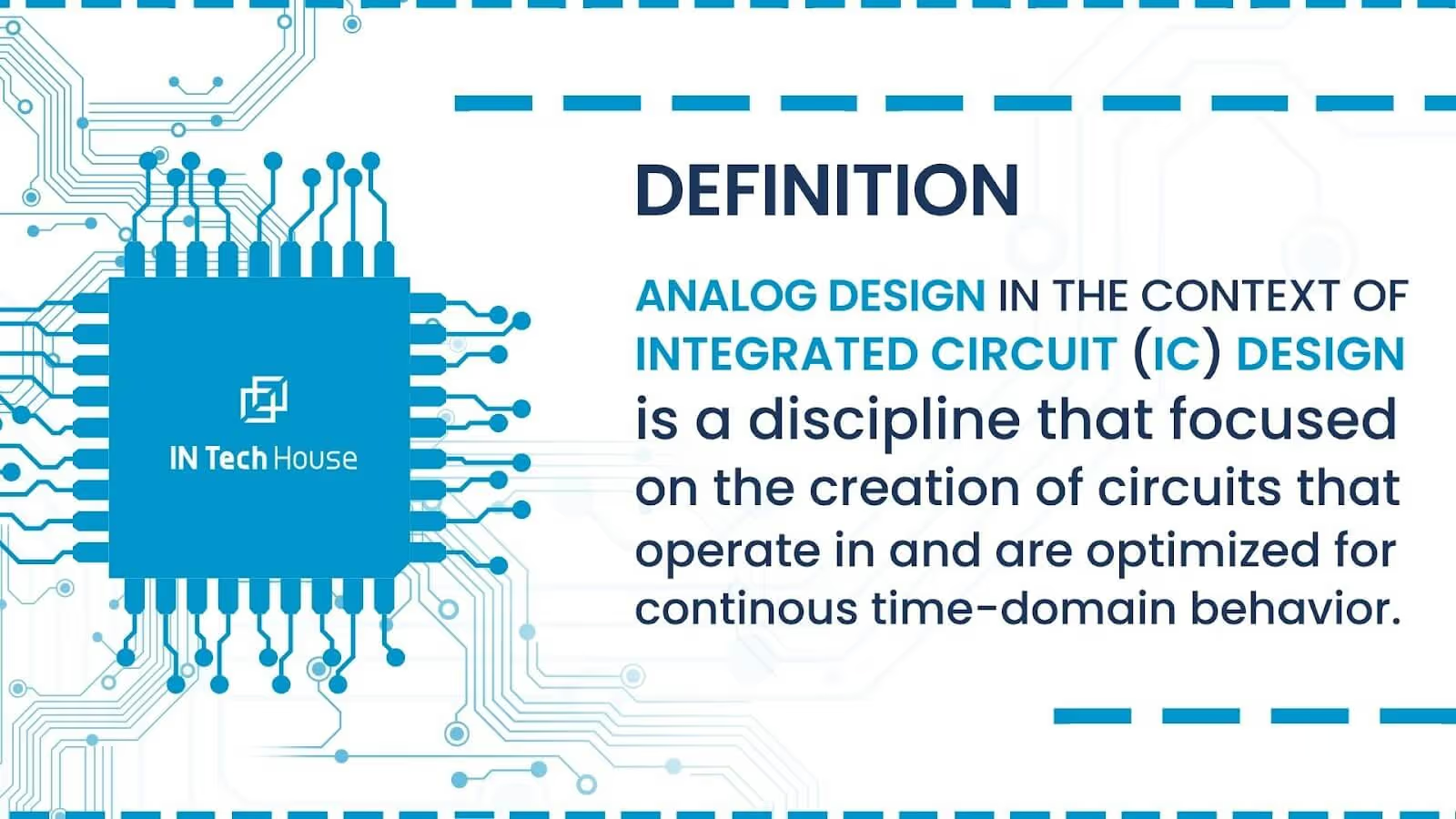
For those seeking a more profound understanding, resources exist that delve into the complex and fascinating world of analog circuit design. The “handbook of analog circuit design” is one such resource. Covering a range of advanced topics from integrated circuits, circuit simulation, frequency response, and more, this handbook can offer invaluable insights for both beginners and seasoned practitioners alike.
So, as we round off our exploration, what is the difference between analog and digital circuits? Despite their shared role in the realm of electronics, analog and digital circuits fundamentally differ in how they handle signals. Analog circuits work with continuous signals, making them suitable for tasks requiring real-time responses. On the other hand, digital circuits operate with binary data, making them ideal for computation and data storage tasks.Understanding these basics provides a springboard into electronics’ dynamic and ever-evolving world. Here, these principles are studied, applied, tested, and redefined to create today’s technology-driven world.
At INTechHouse, we are committed to helping individuals and businesses understand the basics of analog circuit design and support them in the design process itself. Our expertise and comprehensive services can assist you in the following ways:Educational Resources: We provide a range of educational resources, including tutorials, articles, and workshops, to help you grasp the fundamentals of analog circuit design. Whether you’re a beginner or seeking to enhance your existing knowledge, our materials cater to all skill levels.Training Programs: Our tailored training programs are designed to equip you with the essential skills and knowledge required for analog circuit design. Through hands-on learning experiences and practical exercises, you can gain confidence in applying theoretical concepts to real-world design scenarios.Expert Guidance: Our team of experienced analog design professionals is always available to offer expert guidance and address any questions or challenges you may encounter. We provide personalized consultations to ensure that you receive the support you need throughout the learning process.Design Consultation: For those seeking to implement analog circuit designs in their projects or products, we offer design consultation services. Our experts can collaborate with you to understand your specific requirements and provide innovative solutions that meet your objectives.Prototyping and Testing: Once the design concept is established, we can assist in prototyping and testing the analog circuits. Our state-of-the-art facilities and equipment enable us to validate and refine designs, ensuring optimal performance and reliability.Performance Optimization: We believe in delivering high-quality results. Our team can analyze and optimize your analog circuit designs to enhance performance, minimize power consumption, and meet industry standards.
Continuous Support: Our support doesn’t end with the completion of a project. We are dedicated to maintaining long-term relationships with our clients, providing ongoing assistance and updates to ensure your analog circuit designs remain up-to-date and relevant.At INTechHouse, we are passionate about advancing your understanding of analog circuit design and providing the necessary resources and expertise to achieve successful design outcomes. Whether you are an individual enthusiast or a company seeking reliable design solutions, we are here to empower your journey in analog circuit design and small series production.
This initial conversation is focused on understanding your product, technical challenges, and constraints.
No sales pitch - just a practical discussion with experienced engineers.
Share a few details about your product and context. We’ll review the information and suggest the most appropriate next step.