

In the dynamic landscape of embedded systems, the integration of sensor fusion has emerged as a pivotal advancement. This article explores the essence of sensor fusion, its evolution, and the substantial benefits it brings to modern embedded systems.
Trace the evolution of sensor fusion, from its inception to its current state, highlighting key milestones and technological advancements.
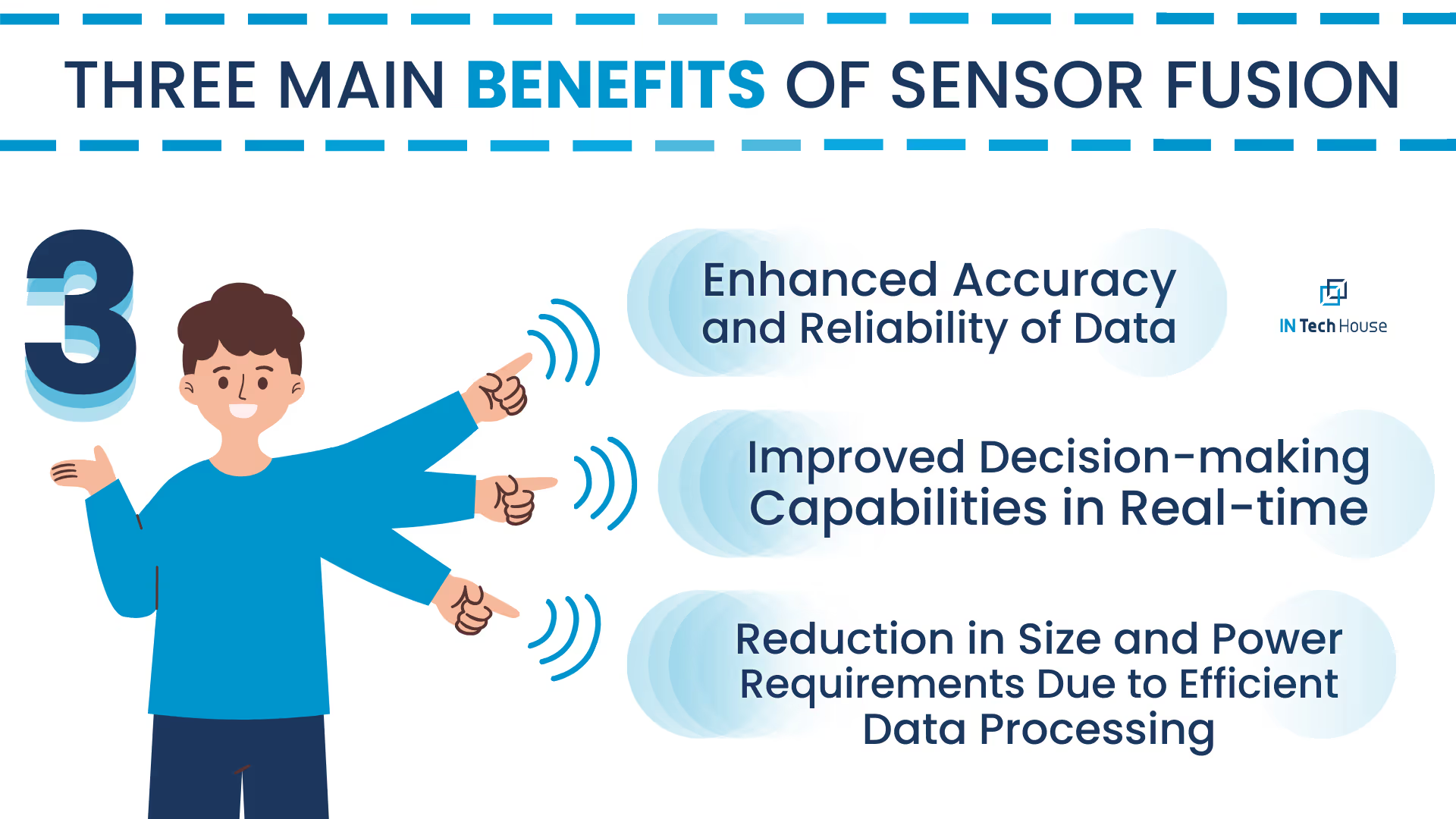
Early Stages: Sensor fusion traces its roots back to the early development of radar technology during World War II. The need to integrate information from multiple radar sources for a more comprehensive view laid the foundation for the concept.1960s – 1970s: Advancements in aerospace and navigation systems spurred the evolution of sensor fusion. Early applications focused on combining data from accelerometers and gyroscopes to enhance navigation accuracy.1980s – 1990s: The rise of microelectronics and digital signal processing accelerated the adoption of sensor fusion. Inertial Measurement Units (IMUs) combining accelerometers and gyroscopes became prevalent in aerospace and automotive applications.2000s – Present: The integration of additional sensor types, such as magnetometers and GPS, marked a significant shift in sensor fusion. The emergence of MEMS (Micro-Electro-Mechanical Systems) technology led to smaller, more efficient sensors, expanding the possibilities for fusion in diverse applications.Current State: Sensor fusion has become integral to various industries, including robotics, healthcare, and IoT. The evolution continues with the incorporation of advanced sensor types, artificial intelligence, and machine learning, enhancing the accuracy, reliability, and real-time decision-making capabilities of modern embedded systems.What about the sensor fusion market?
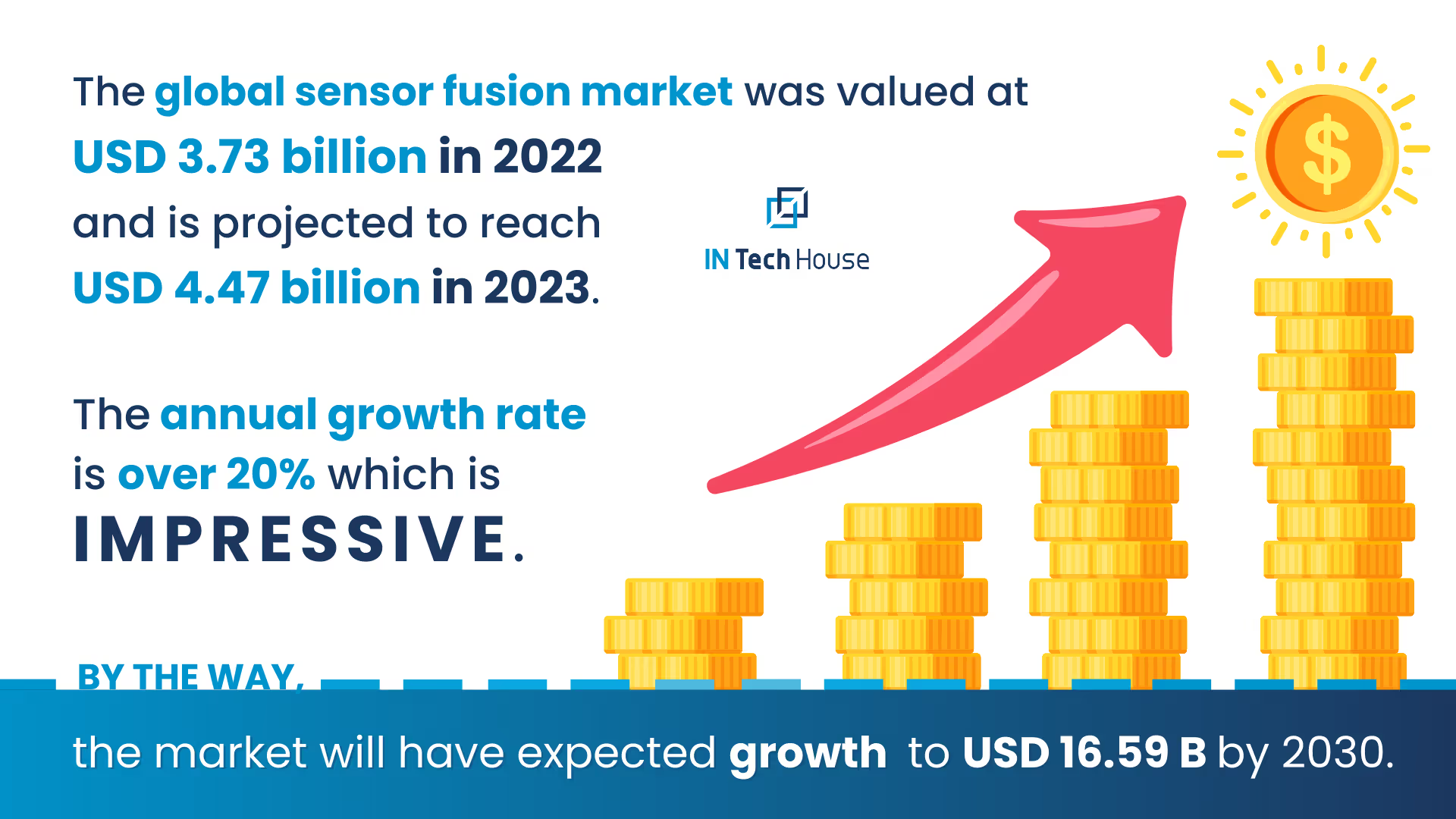
Source: FornuteBusinessInsights
There are three types of sensor fusion.
Sensor fusion techniques are methods used to integrate data from multiple sensors. Yes, there are generally three types of sensor fusion:
1. Sensor Calibration: Accurate sensor fusion begins with precise calibration of individual sensors. Calibration ensures that each sensor provides reliable and consistent data, reducing errors in the fusion process.
2. Sensor Synchronization: To effectively fuse data from different sensors, synchronization is crucial. Aligning timestamps and ensuring data coherence across sensors contribute to a more accurate and coherent representation of the environment.3. Sensor Redundancy and Diversity: Having redundant sensors and diverse types of sensors (accelerometers, gyroscopes, magnetometers, etc.) enhances the robustness of sensor fusion systems. Redundancy provides backup in case of sensor failure, while diversity offers a more comprehensive understanding of the surroundings.4. Sensor Fusion Algorithms: Sophisticated algorithms play a pivotal role in combining and interpreting data from various sensors. Kalman filters, particle filters, and sensor fusion frameworks leverage mathematical models to estimate states and improve the overall accuracy of the fused data.5. Machine Learning Integration: Modern sensor fusion systems increasingly incorporate machine learning techniques. These algorithms can adapt to changing environments, learn from data patterns, and optimize the fusion process over time, contributing to enhanced performance.6. Real-time Processing: The ability to process sensor data in real-time is essential for applications requiring quick decision-making. Advanced processors and algorithms enable rapid fusion and analysis of sensor information, facilitating timely responses.7. Integration with Communication Protocols: For embedded systems in IoT and interconnected environments, seamless communication is vital. Integrating sensor fusion with appropriate communication protocols ensures effective data exchange between devices, enabling collaborative decision-making.8. Power-efficient Designs: Efficient power management is critical, especially in battery-operated embedded systems. Sensor fusion technologies strive to balance accuracy and power consumption, optimizing the trade-off to extend the device’s operational life.9. Edge Computing: The trend toward edge computing involves processing data closer to the source, reducing latency. Sensor fusion technologies are adapting to leverage edge computing capabilities, enhancing overall system performance.
Sensor fusion’s versatility extends across diverse industries, revolutionizing processes and applications. Here are key sectors where sensor fusion plays a pivotal role:
Sensor fusion’s impact extends beyond these sectors, influencing applications in aerospace, gaming, agriculture, and more. Its ability to integrate data from various sensors offers unparalleled advantages in enhancing system performance and reliability.
In the realm of sensor fusion, a variety of technologies and algorithms contribute to the seamless integration of data from multiple sensors. Here’s an overview of common sensor fusion technologies and the algorithms employed:
These technologies and algorithms work in tandem, allowing embedded systems to harness the full potential of diverse sensors. Through continuous advancements, sensor fusion ensures accurate, reliable, and real-time data integration, driving enhanced capabilities in various applications.
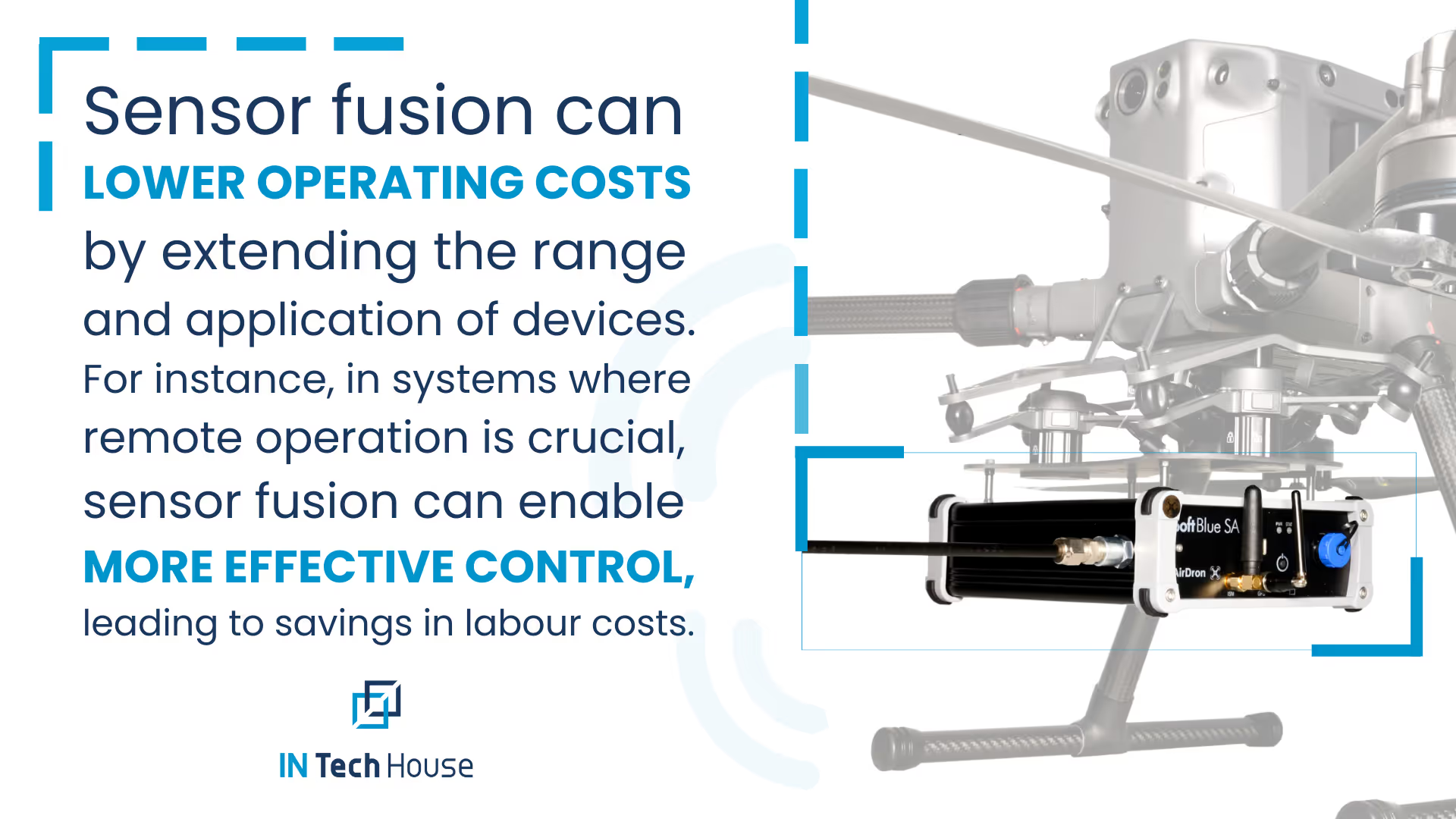
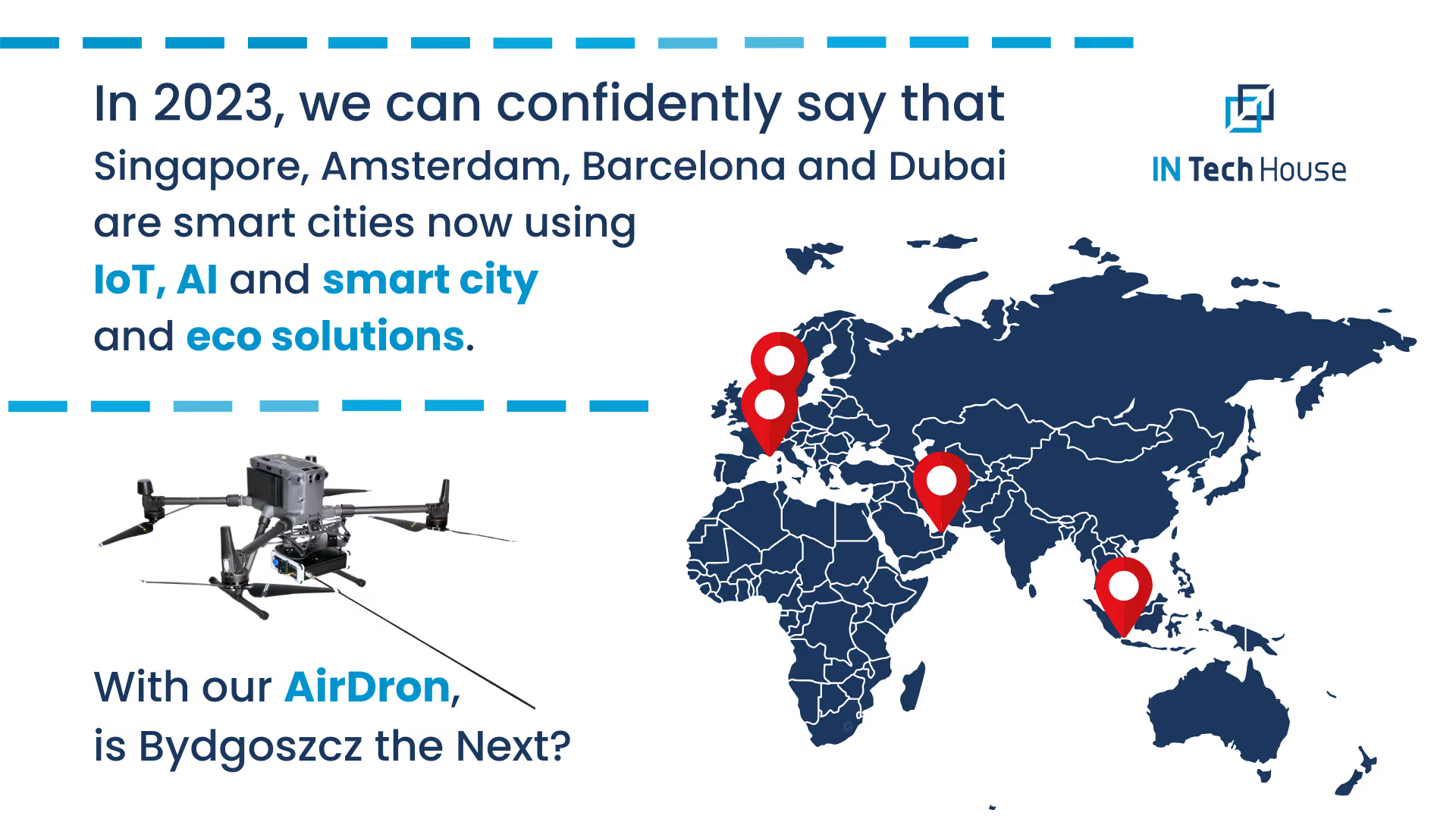
The case study of AirDron by INTechHouse focuses on revolutionizing air quality monitoring using drone technology. AirDron Technologies integrates a variety of sensors and communication protocols, including electrochemical sensors, lower explosive limit sensors, VOC sensors, TVOC sensors, and optical particle counters. It utilizes communication protocols like ISM, GPS, USB, and a proprietary drone protocol. The system is designed for applications like routine air quality control and crisis interventions during events such as fires or chemical leaks.
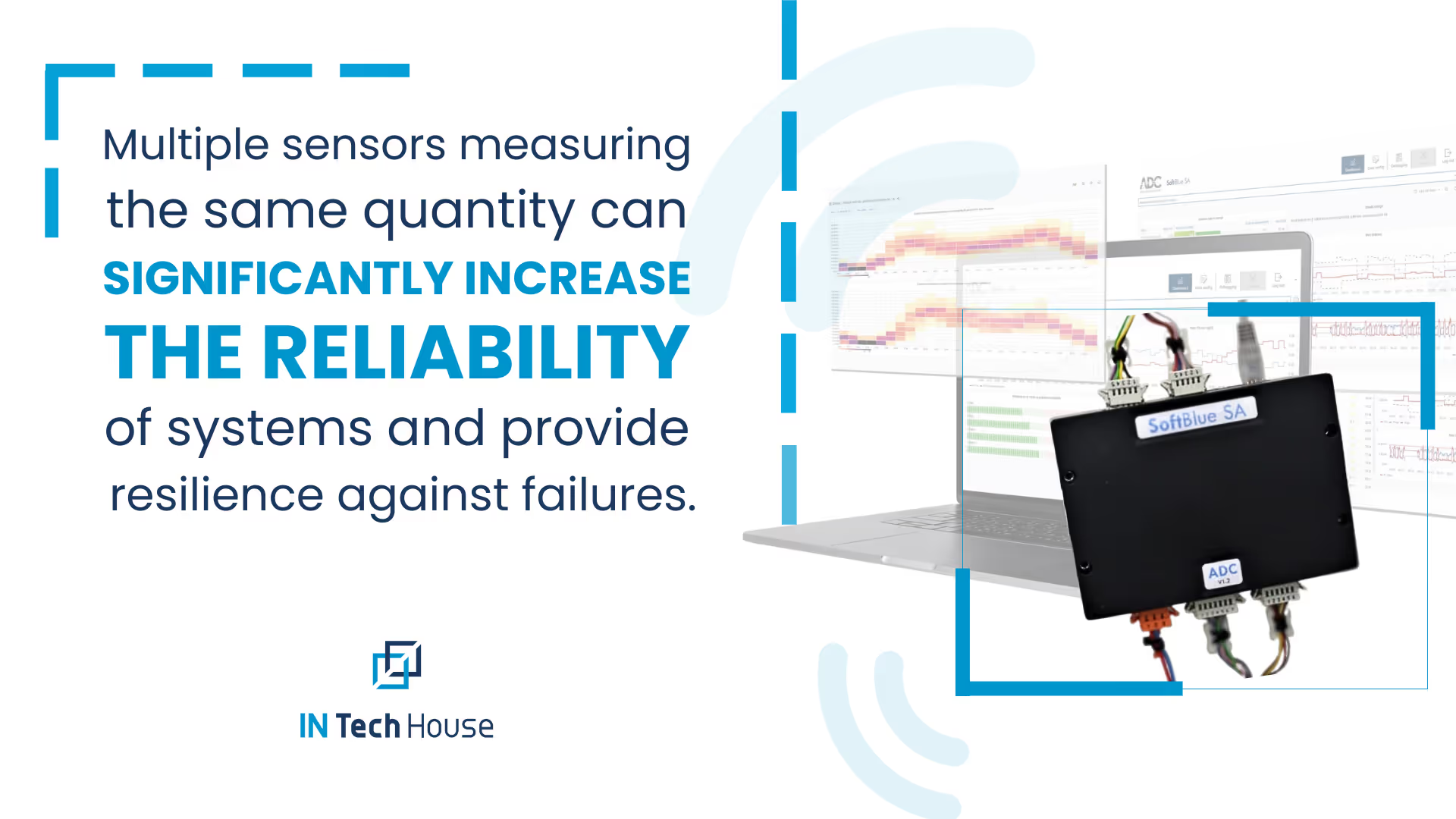
The case study on the Expense Analyzer by INTechHouse describes the development of an autonomous device designed to analyze energy and water consumption in managed buildings. This project, aimed at an international company in the PropTech sector, involved creating a Media Consumption Analyzer system for data collection, recording, and analysis from various devices within a building. The system is fully autonomous and offers dashboards for identifying areas of energy loss and optimization potential.
Technology used in the project includes .Net for web application, C++ for data acquisition, InfluxDB for time-series data management, Python and Kapacitor for data analysis with machine learning algorithms, and Grafana for data visualization.Complex data analysis and autonomous operation are key components in sensor fusion applications!
As technology continues to advance, the landscape of sensor fusion and embedded systems is poised for transformative developments. Exploring emerging trends provides valuable insights into the trajectory of these technologies and their impact on diverse industries.
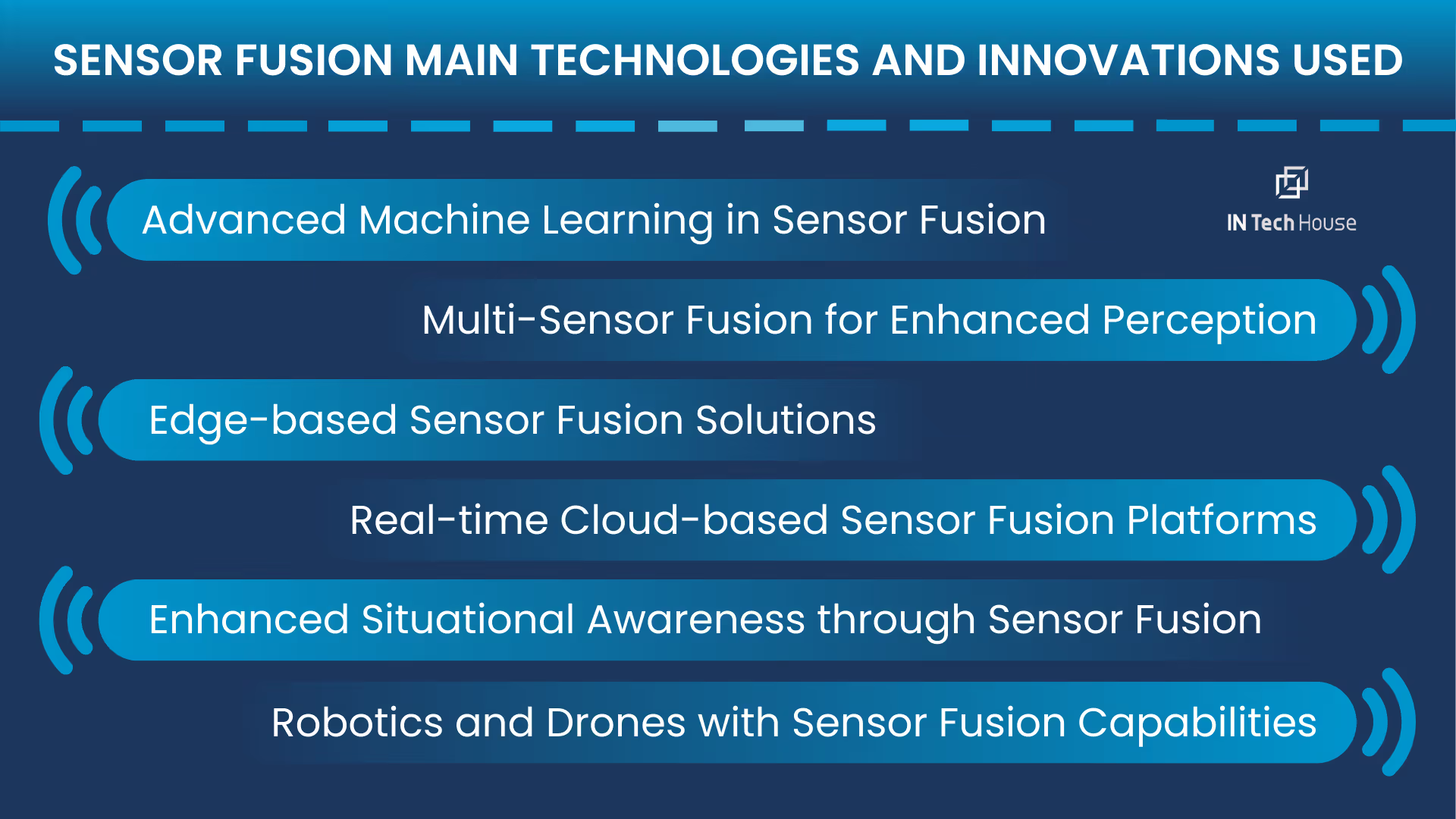
As the landscape of technology continues to evolve, sensor fusion is at the forefront of innovations, revolutionizing the capabilities of embedded systems. Let’s delve into the emerging technologies and innovations in sensor fusion that are shaping the future of embedded systems.
Yes, now at least three companies have them. For example:
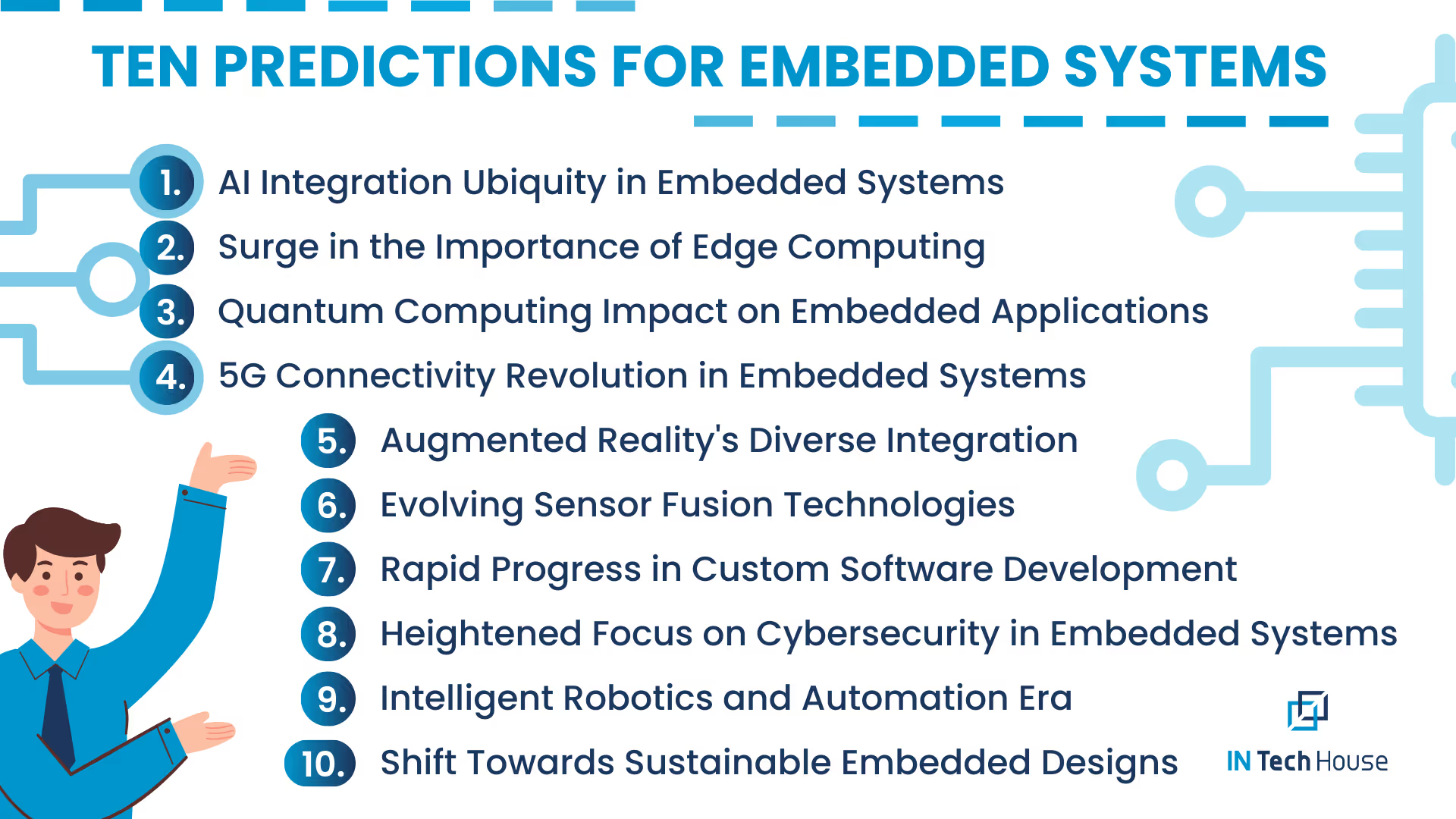
In fact, as we peer into the future, several trends and developments are poised to shape the landscape of embedded systems. Here are some predictions for how these systems will evolve in the coming years:
In conclusion, the integration of sensor fusion technologies into embedded systems has ushered in a new era of possibilities. The enhanced accuracy, real-time decision-making, and efficiency brought about by sensor fusion are reshaping industries and opening doors to unprecedented applications.
As we navigate the future, embracing these advancements will be key to staying competitive and innovative. The journey toward smarter, more connected embedded systems is an exciting one, and INTechHouse stands ready to guide and support businesses in adopting these transformative technologies for a brighter and more efficient future.
What is Low-Level Fusion - Fusing the RAW DATA?
Low-level fusion involves integrating raw data directly from various sensors before any processing or extraction of information. This type of fusion focuses on merging sensor outputs to create a more comprehensive dataset, which can then be processed for insights.
What is High-Level Fusion - Fusing the TRACKS?
High-level fusion refers to combining processed information or "tracks" from different sensors. This occurs after initial data processing, where the focus is on integrating insights, interpretations, or detections from various sources to form a unified understanding.
What about sensor data fusion and its role in smart sensors?
Sensor data fusion in smart sensors involves integrating data from multiple sensors to enhance accuracy, reliability, and comprehensiveness of the information gathered, leading to more effective and intelligent decision-making by the system.
Can you name the challenges and limitations of sensor fusion?
The primary challenges in sensor fusion include managing the high volume and variety of data, ensuring data compatibility and synchronization, dealing with incomplete or noisy data, and the complexity of developing algorithms that can effectively fuse and interpret diverse sensor inputs.
What is the Kalman filter?
The Kalman filter is an algorithm that provides estimates of some unknown variables given the measurements observed over time. It combines measurements observed over time, containing statistical noise and other inaccuracies, and produces estimates of unknown variables that tend to be more accurate than those based on a single measurement alone. The Kalman filter is widely used in applications requiring real-time data processing, such as navigation systems, robotics, and signal processing, due to its ability to filter out the noise and accurately track dynamic systems.
This initial conversation is focused on understanding your product, technical challenges, and constraints.
No sales pitch - just a practical discussion with experienced engineers.
Share a few details about your product and context. We’ll review the information and suggest the most appropriate next step.