In the world of electronics, two design processes play a crucial role in the development of functional electronic devices: hardware design and PCB (Printed Circuit Board) design. While they are closely related and often overlap, they involve distinct areas of expertise and focus on different aspects of electronics engineering. Understanding the differences between these two disciplines is essential for engineers, designers, and anyone involved in the development of electronic products.
In this article, we will introduce the most significant differences between hardware design and PCB design, their significance in the development of modern electronic devices, and best practices for optimizing performance, reliability, and production costs. Additionally, we will discuss how these two engineering fields work together to ensure functionality and compatibility efficiency in real-world applications.
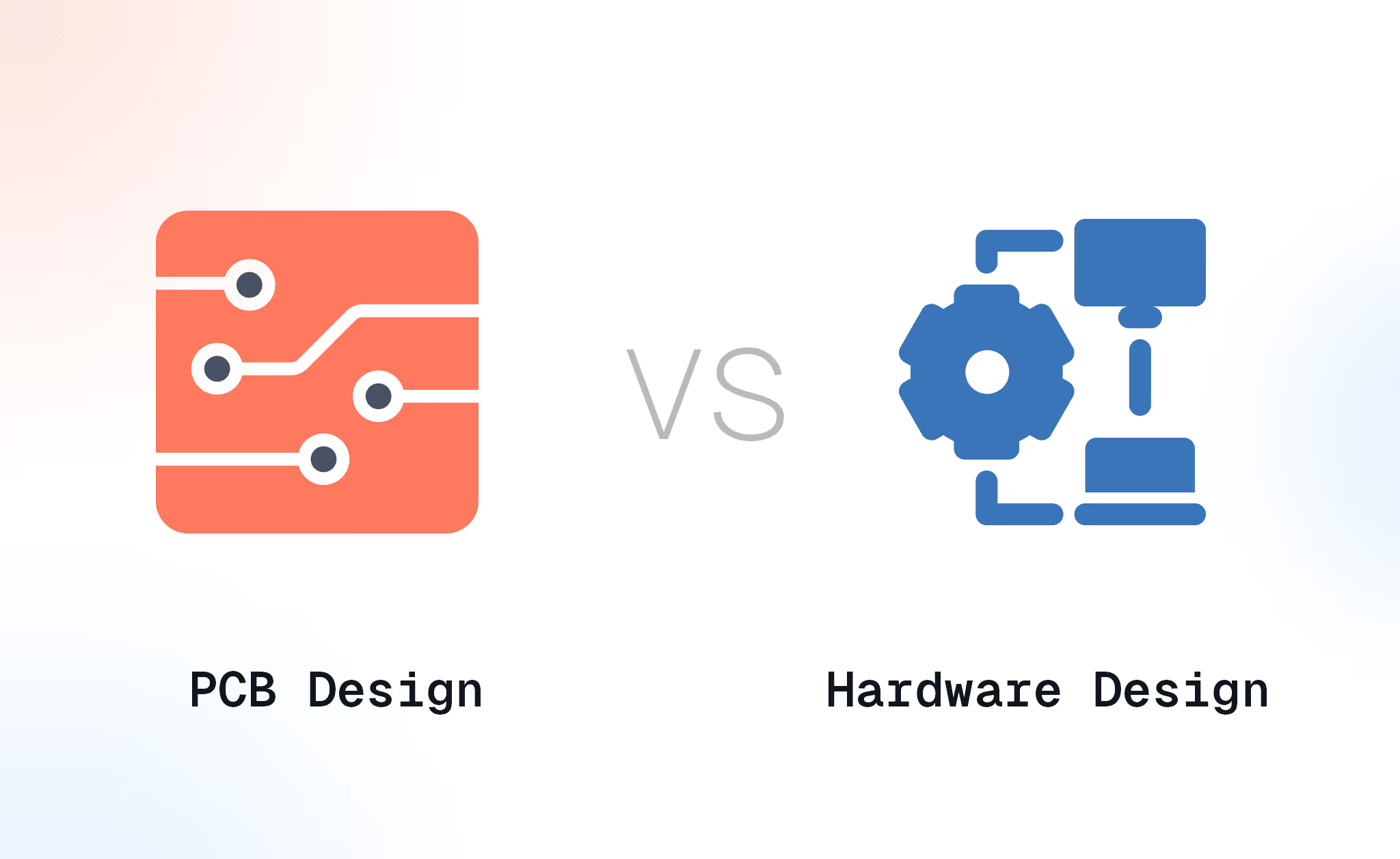
Hardware design is a multidisciplinary engineering process that involves the creation of electronic circuits, systems, and devices from the ground up. This domain requires a deep understanding of electrical engineering, physics, and material science. Unlike PCB design, which focuses on the physical implementation, hardware design addresses the high-level architecture and logic behind an electronic system. The most essential aspects of hardware design include:
More about hardware designing you can read here:https://intechhouse.com/blog/hardware-product-development-process-in-2024/
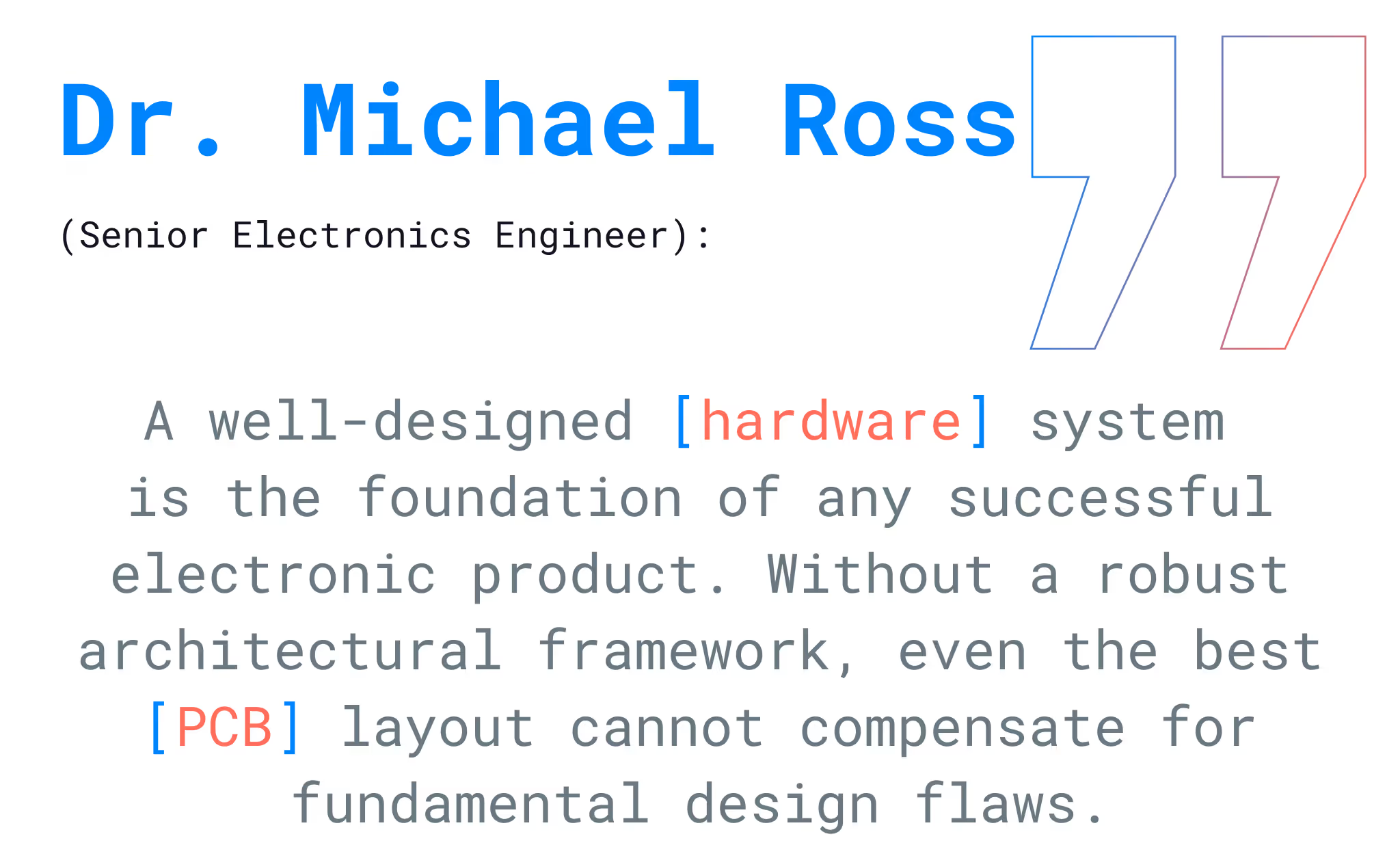
On the other hand, PCB design is a specialized subset of hardware engineering that focuses on translating schematic designs into physical circuit boards that can be manufactured and assembled. It requires a deep understanding of signal integrity, electromagnetic interference (EMI), thermal management, and manufacturability constraints. Unlike hardware design, which involves high-level system architecture and component selection, PCB design is concerned with the practical implementation of electronic circuits in a way that ensures optimal performance and reliability. Before moving to practical implementation, consider the following:
Are you interested in this theme? We encourage you to read the article:https://intechhouse.com/blog/the-critical-role-of-pcb-design-reliable-circuit-creation/

FeatureHardware DesignPCB DesignFocusConceptual and functional design of the electronic systemPhysical layout and interconnections of the componentsMain OutputSchematic diagrams, component selection, and system architectureGerber files, layout designs, and manufacturing-ready PCB blueprintsTools UsedSPICE simulators, circuit design software (e.g., Altium Designer, KiCad, LTspice)PCB layout software (e.g., Altium Designer, Eagle, OrCAD, KiCad)InvolvesSelecting and integrating electronic components, designing circuits, and defining system architectureArranging components on the PCB, routing traces, optimizing for manufacturingConsiderationsFunctionality, performance, power consumption, costSignal integrity, thermal management, manufacturability
Hardware and PCB design is a process that requires not only advanced technical knowledge but also a strategic approach to optimizing performance, reliability, and production costs. "Failing to follow proper design guidelines can lead to costly revisions and performance issues. The best engineers know that rigorous testing and iterative design are non-negotiable." — underlines Dr. Alan Hayes, Electrical Engineering Professor.
Designing modern and functional devices requires applying proven methodologies to minimize errors and streamline implementation. To ensure a smooth development process, consider these best practices:
A deep understanding of both hardware and PCB design is essential for creating cutting-edge electronic devices that are not only functional but also optimized for real-world applications. While hardware design establishes the fundamental logic, performance, and component integration, PCB design ensures these concepts are translated into a practical, manufacturable format that meets industry and regulatory standards. As technology continues to evolve, mastering the synergy between these disciplines will remain the most important driver of advancement in electronics engineering.We are not interested in mediocrity. At InTechHouse, we believe that the future belongs to those who design it. We don’t ask, "Is it possible?" but rather, "How can we make it better?" Our solutions combine innovative thinking, advanced engineering, and experience that translates into real business benefits. We support our clients at every stage – from concept and prototyping to implementation and optimization. If you want to create the technologies of the future, choose a partner who understands its potential. Schedule a free consultation and give your company the opportunity to grow.
Can a PCB be designed without prior hardware design?
No, because PCB design is based on hardware specifications. Before creating a PCB, it is necessary to determine which components will be used, what voltages and signals will be handled, and what the power and cooling requirements are.
Can every hardware engineer design a PCB?
Not always. While hardware engineers understand the requirements of electronic components, PCB design requires specialized knowledge of signal routing, impedance, EMI, cooling, and PCB manufacturing processes.
What are the most common mistakes in PCB design?
The most common mistakes include improper separation of signal traces, insufficient grounding, poor power topology, incorrect PCB layer selection, placing high-current components too close together, and a lack of test points for diagnostics.
What are the differences between single-layer and multi-layer PCBs?
Single-layer PCBs are simpler to manufacture and more cost-effective but have limited routing capabilities. Multi-layer PCBs, often used in advanced devices, allow for better signal separation, improved power integrity, and reduced EMI interference.
What technologies are influencing the development of PCBs in modern devices?
Fundamental technologies include flexible PCBs (FPC), High-Density Interconnect (HDI), embedded components (integrated circuits embedded within the PCB), integration with IoT technologies, and the development of materials with better thermal and electrical properties.
A technology leader specializing in advanced hardware, embedded systems, and AI solutions.
He bridges deep engineering expertise with strategic thinking, helping transform complex system architectures into practical technologies used across industries such as aerospace, defense, telecommunications, and industrial IoT.
With a strong engineering background and ongoing PhD research, he combines academic insight with real-world project experience. Jacek also shares his knowledge through technical and business publications, focusing on system design, digital transformation, and the evolving integration of hardware and AI.
This initial conversation is focused on understanding your product, technical challenges, and constraints.
No sales pitch - just a practical discussion with experienced engineers.
Share a few details about your product and context. We’ll review the information and suggest the most appropriate next step.