


In the fast-paced world of embedded software development, nailing your RFP is crucial. Our RFP embedded software specification template cuts through the complexity, giving you the clarity and detail needed to attract the right vendors for your project. Begin your vendor selection journey armed with a tool that spells out your criteria effectively and sets up potential partnerships for success.
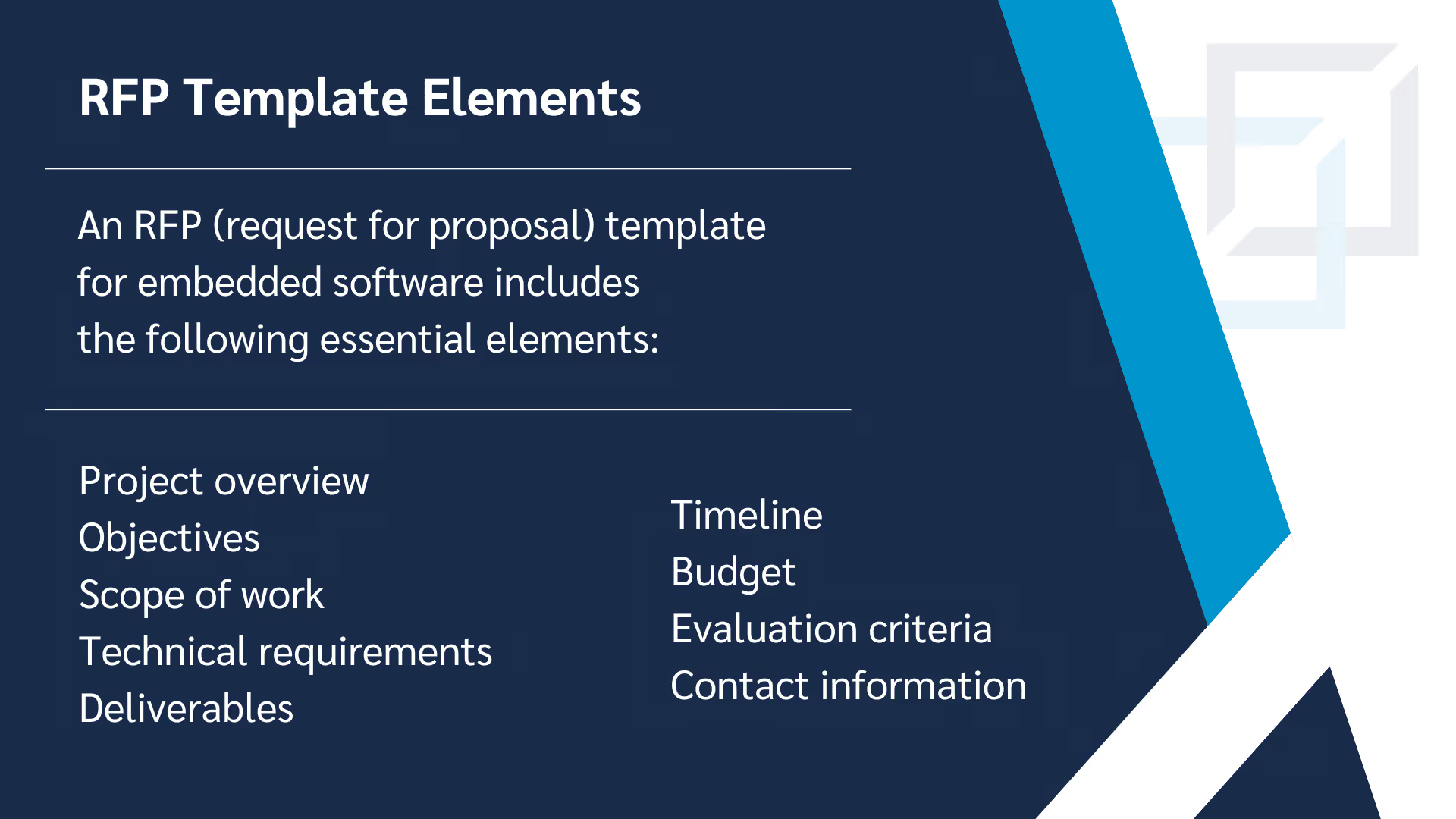
An effective RFP for embedded software development should include components such as project overview, objectives, scope, technical requirements, timeline, budget, evaluation criteria, and contact details to ensure that prospective vendors have all necessary information to submit a proposal. Defining project scope, establishing clear evaluation criteria, and outlining critical information for vendors are essential steps in crafting an RFP, as they guide the vendor selection process ensuring alignment with goals, transparency, and fair assessment of proposals. Vendor qualifications, technical specifications, and budget considerations are key components of an RFP, as they set the expectations for the vendor’s expertise, outline the project specifics, and establish financial constraints and project value.
Let’s take a moment to delve into a real-life scenario where an organization, Company X, reaped the rewards of employing a well-crafted RFP in their embedded software project. Company X had ambitious plans to develop a cutting-edge IoT (Internet of Things) solution that required sophisticated embedded software. Excited about the project’s potential, they began reaching out to various software development firms to bring their vision to life. However, as the responses started pouring in, Company X quickly realized they were faced with a daunting task. Each proposal varied significantly in scope, cost, and approach, making it challenging to compare and evaluate the options effectively. Without a clear framework to guide their decision-making process, they risked making costly mistakes and jeopardizing the success of their project. Determined to chart a course towards success, Company X decided to take a step back and invest time in crafting a detailed RFP. They meticulously outlined their project requirements, technical specification. Determined to chart a course towards success, Company X decided to take a step back and invest time in crafting a detailed RFP. They meticulously outlined their project requirements, technical specifications, and evaluation criteria, leaving no stone unturned in their quest for clarity and precision. ns, and evaluation criteria, leaving no stone unturned in their quest for clarity and precision. Armed with their comprehensive RFP, Company X issued a call for proposals, confident in their ability to attract the right partners for their project. And sure enough, the response was overwhelming. Software development firms were impressed by the clarity and thoroughness of the RFP, which provided them with a clear roadmap for meeting Company X’s needs. Proposals poured in, each tailored to address the specific requirements outlined in the RFP. After careful consideration and evaluation, Company X identified the perfect partner for their project – a software development firm that not only met their technical requirements but also shared their vision for innovation and excellence. With the partnership forged and the project underway, Company X could rest easy knowing that they had set themselves up for success from the very beginning. Thanks to the clarity and structure provided by their RFP, they were able to navigate the complexities of vendor selection with confidence and precision, ultimately paving the way for the successful realization of their IoT solution.
Crafting an RFP may appear daunting at first, but it’s akin to putting together a jigsaw puzzle. Each piece, whether it’s defining the project scope, establishing clear evaluation criteria, or outlining critical information for vendors, plays a critical role in the bigger picture of your project. Defining the Project Scope for Embedded Software When you define the project scope in an RFP for Embedded Software, it’s akin to drawing the lines for a match. It helps to minimize risks, ensure alignment with project goals, and enhance the likelihood of successful procurement. This overview of the project, specific services required, and other pertinent components of the project scope provide a comprehensive understanding of the project’s requirements, objectives, and deliverables. But beware of common pitfalls when defining the project scope. Insufficiently defining the scope and requirements, hastily conducting the planning process, overlooking system integration, or selecting a vendor without thorough evaluation, can derail your project. Remember, a well-defined project scope sets the stage for vendors to accurately estimate costs and establish realistic timelines for project completion. Establishing Clear Evaluation Criteria Creating distinct evaluation criteria for your RFP resembles constructing a compass to guide your journey. It ensures transparency, keeps stakeholders involved, improves vendor engagement, and provides an objective means to assess and compare proposals from different vendors. To lay a strong foundation, you need to have a thorough understanding of the project fundamentals and goals, establish clear standards, and implement a scoring system for impartial proposal assessment. Remember, your evaluation criteria should encompass factors such as:
These criteria play a crucial role in successful vendor selection, facilitating a clear comparison of proposals and informed decision-making. Outlining Critical Information for Vendors Providing crucial information for vendors in your RFP equates to laying down the game rules. You need to specify:
Remember to include details about the desired operating system, preferred technologies, licensing requirements, and any specific methodologies or tools that should be utilized for the project. Also, incorporate key components in the vendor qualifications section of the RFP such as project requirements, project management requirements, and specific evaluation criteria for assessing vendor proposals. Lastly, when considering budget and cost, make sure to:
An RFP for an embedded software project can be compared to a recipe for a sophisticated dish. It has several key components that contribute to its success, including technical requirements and specifications, vendor qualifications and experience, and budget and cost considerations. Technical Requirements and Specifications Technical requirements and specifications, including security requirements, equate to the ingredients in your culinary masterpiece. They detail the specific features, functionality, and performance expectations for the embedded software project, ensuring vendors can provide accurate proposals. Be sure to include details about:
What is the significance of defining the project scope in an RFP for Embedded Software?Defining the project scope in an RFP for Embedded Software is significant as it helps minimize risks, ensure alignment with project goals, and enhance the likelihood of successful procurement. It is crucial for setting clear expectations and avoiding misunderstandings. What role does the RFP play in the vendor selection process for embedded software development?The RFP plays a crucial role in the vendor selection process for embedded software development by outlining project specifications, allowing development companies to submit informed bids and enabling business owners to compare and select the most suitable company. What are the steps to develop clear and concise submission instructions for an RFP for embedded software?Start with a well-crafted cover letter and utilize proposal formatting techniques such as headings, subheadings, and bullet points. Additionally, provide relevant contextual information for vendors and ask pertinent questions to ensure clear and concise submission instructions for an RFP for embedded software. What are the legal factors to consider in embedded software development projects?In embedded software development projects, it's important to consider legal factors like licensing and distribution agreements, safety standards adherence, cybersecurity laws, and copyright issues related to proprietary firmware. These factors are crucial for the successful and compliant execution of such projects. What is the difference between RFI, RFP, and RFQ for embedded software development?An RFI is used to gather information, an RFP is for soliciting proposals for solutions to a defined project, and an RFQ is for obtaining detailed pricing for specific, well-defined services or features. Understanding these differences ensures that companies approach the vendor selection process for embedded software development projects with the right tool at the right time. Understanding these differences ensures that companies approach the vendor selection process for embedded software development projects with the right tool at the right time.
This initial conversation is focused on understanding your product, technical challenges, and constraints.
No sales pitch - just a practical discussion with experienced engineers.
Share a few details about your product and context. We’ll review the information and suggest the most appropriate next step.