

Embedded systems are always improving in our global world making Board Support Package (BSP) development stand as a linchpin in ensuring the harmonious coexistence of both hardware and software components. BSP? Haven’t heard about it however, it’s crucial! This comprehensive guide, brought to you by INTechHouse, is designed to unravel the intricacies of BSP in embedded systems, helping you gain a profound understanding of its significance and the pivotal role it plays in ensuring the smooth operation of your devices.
Let’s get started!
Embedded systems are prevalent in a multitude of devices, from smart appliances and medical equipment to automotive systems and industrial controllers. These systems often consist of specialized hardware components, each with its unique set of communication protocols and specifications. This diversity in hardware can pose a significant challenge when it comes to developing a universal OS that can seamlessly operate on all devices.
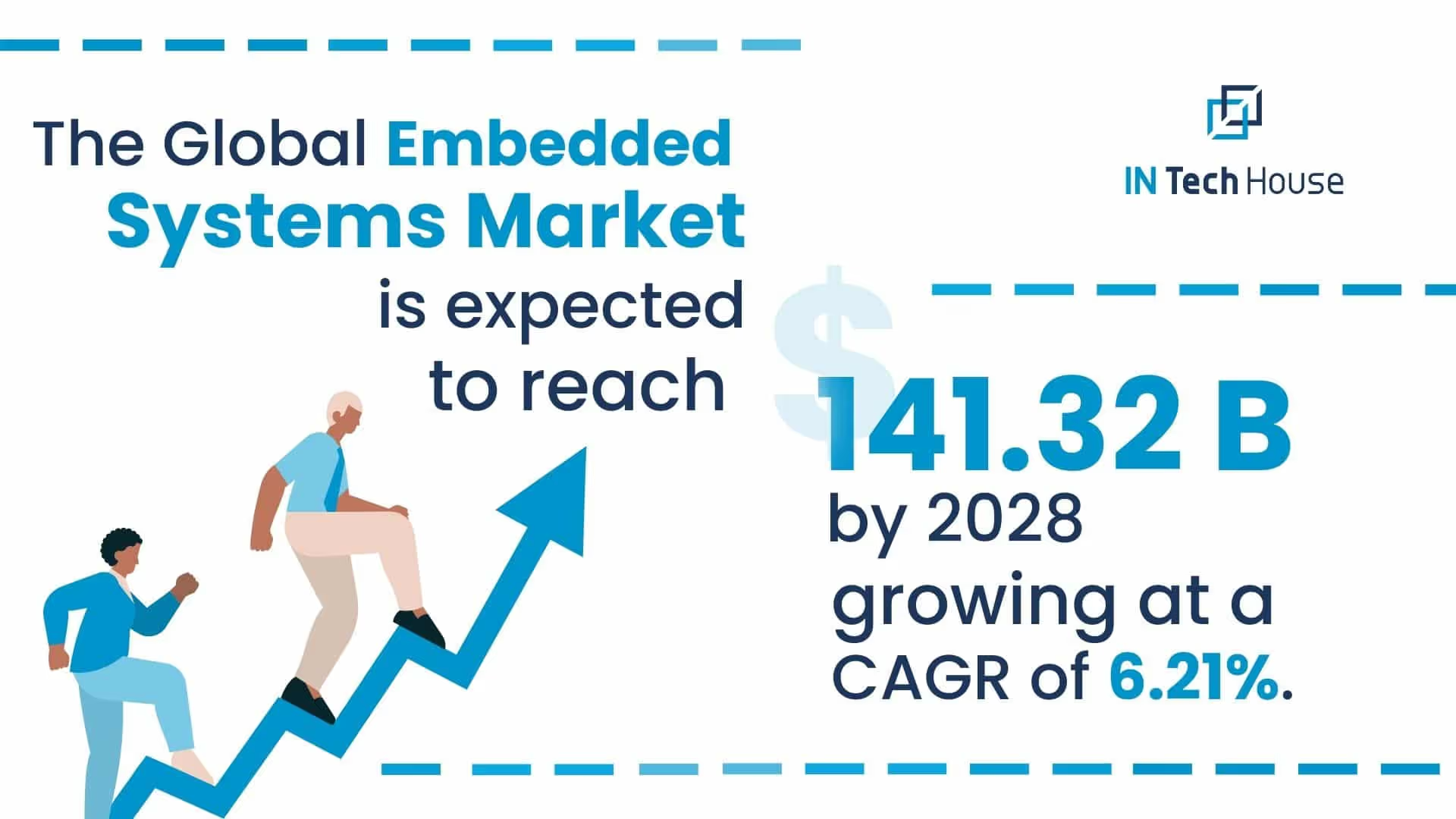
Source: Reserchmarket
BSP plays a critical role in ensuring the functionality and reliability of embedded systems.This is where BSP steps in, offering a tailored solution for each embedded system. By providing a standardized interface and a set of drivers specific to the hardware, BSP allows the OS to function cohesively across various devices. It abstracts the complexities of the hardware, offering a consistent and uniform environment for software developers.
Before we dive into the depths of BSP development, it’s essential to grasp the fundamental concept of BSP in the context of embedded systems. A Board Support Package, as the name suggests, is a tailored package that serves as a vital intermediary between the hardware and the operating system (OS) of an embedded system. Its primary function is to provide the necessary software components and drivers that enable the OS to communicate effectively with the underlying hardware. Think of it as a translator, ensuring that the language spoken by the hardware is comprehensible to the OS.
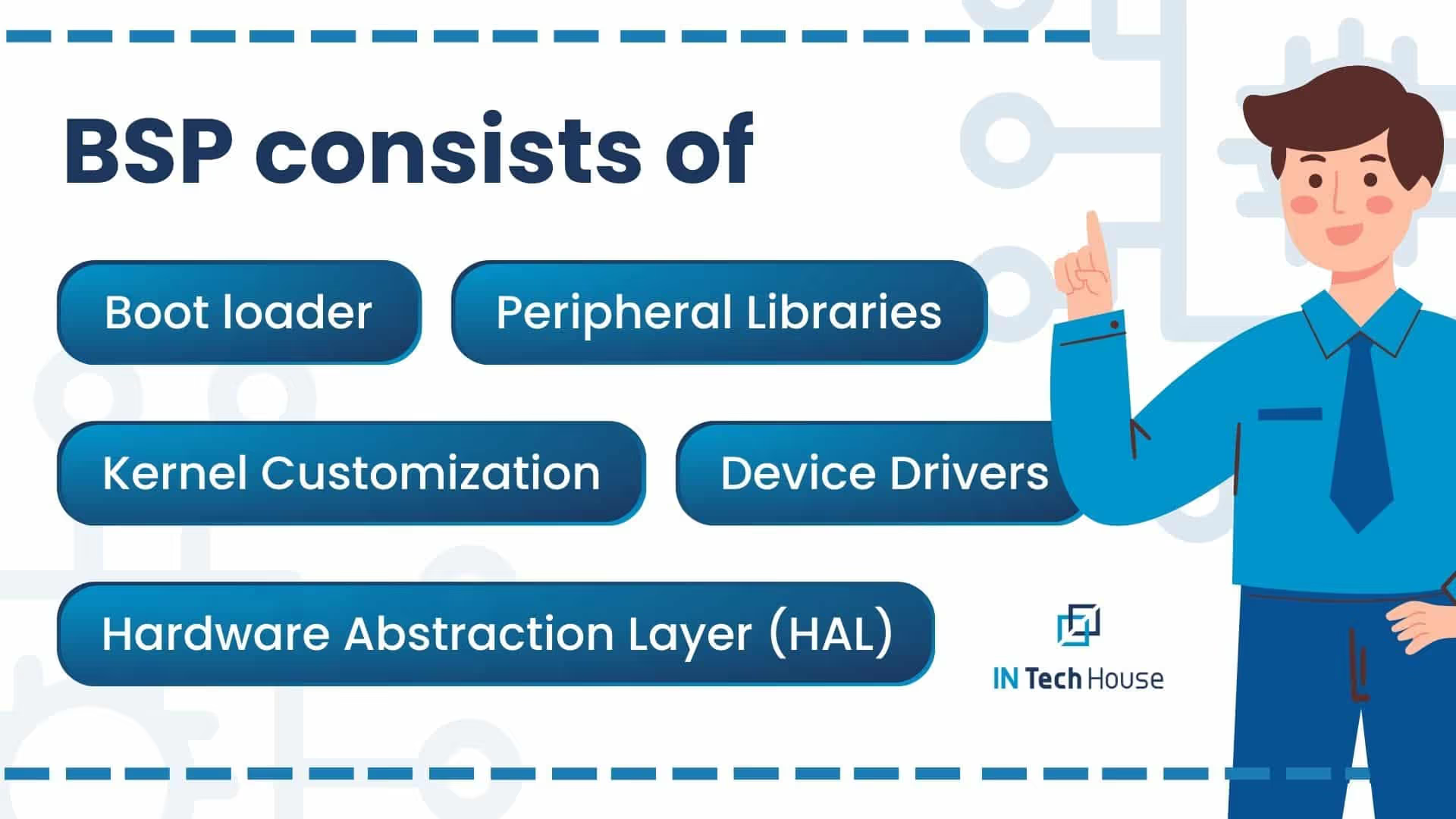
Understanding the core components of a BSP is paramount to comprehending its role in the embedded systems landscape. A typical BSP consists of several essential elements, including:
When it comes to embedded systems, the significance of a well-crafted Board Support Package (BSP) cannot be overstated. BSP development is a linchpin that unlocks the potential of your embedded devices.
At its core, BSP development bridges the gap between hardware and software in embedded systems. This bridge, often taken for granted, plays a pivotal role in ensuring the seamless operation of your devices. Let’s uncover the advantages:
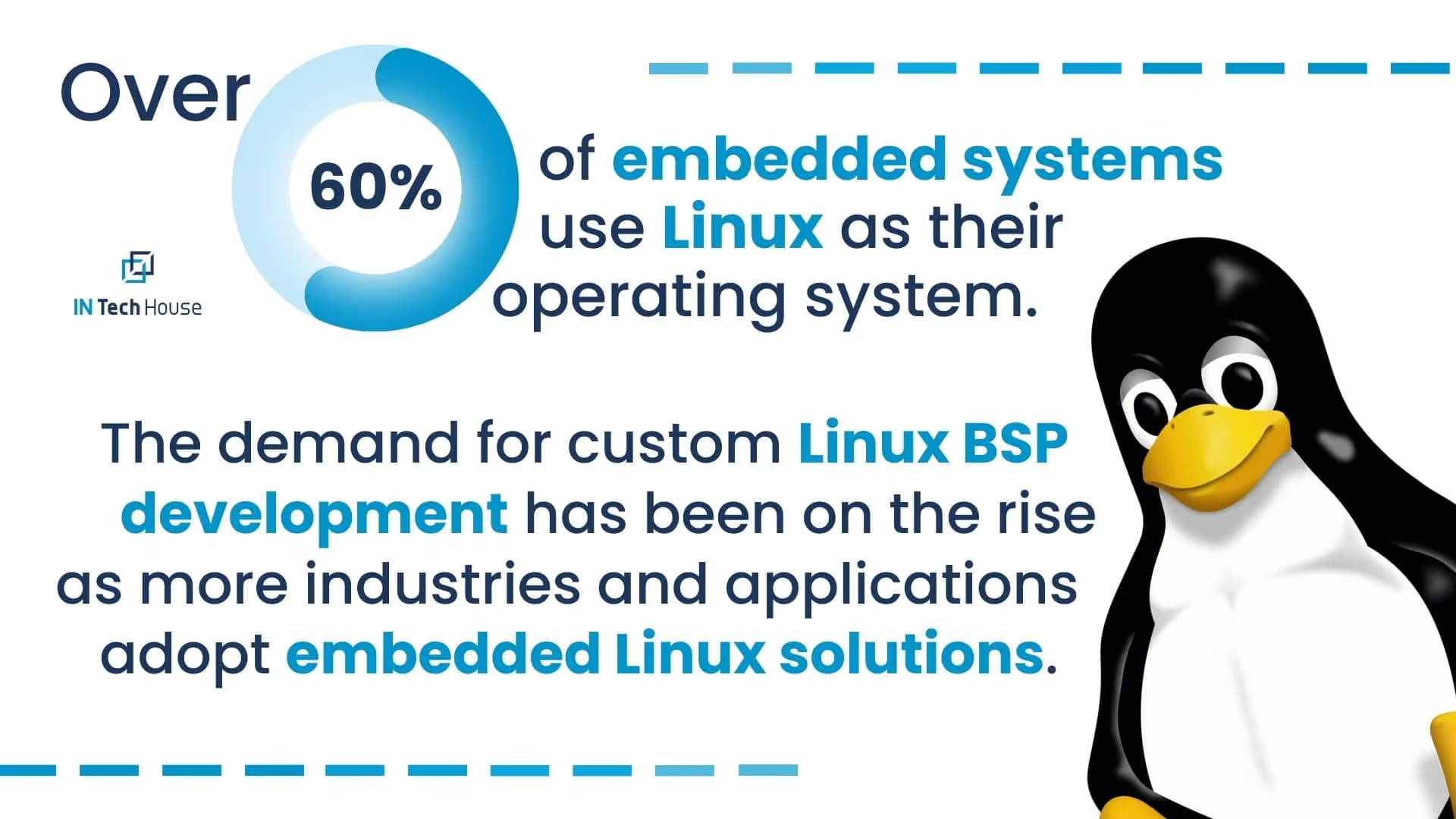
Source: Linux
At the core of our expertise lies BSP development, a domain that holds the key to unlocking the true potential of embedded systems. Here’s why our BSP development prowess sets us apart:
Our Solution: PCB CreationOne of the success stories that exemplifies our commitment to innovation and excellence is our client’s choice of PCB (Printed Circuit Board) solutions. PCBs provide a cost-effective and reliable way to connect and organize electronic components in embedded systems.
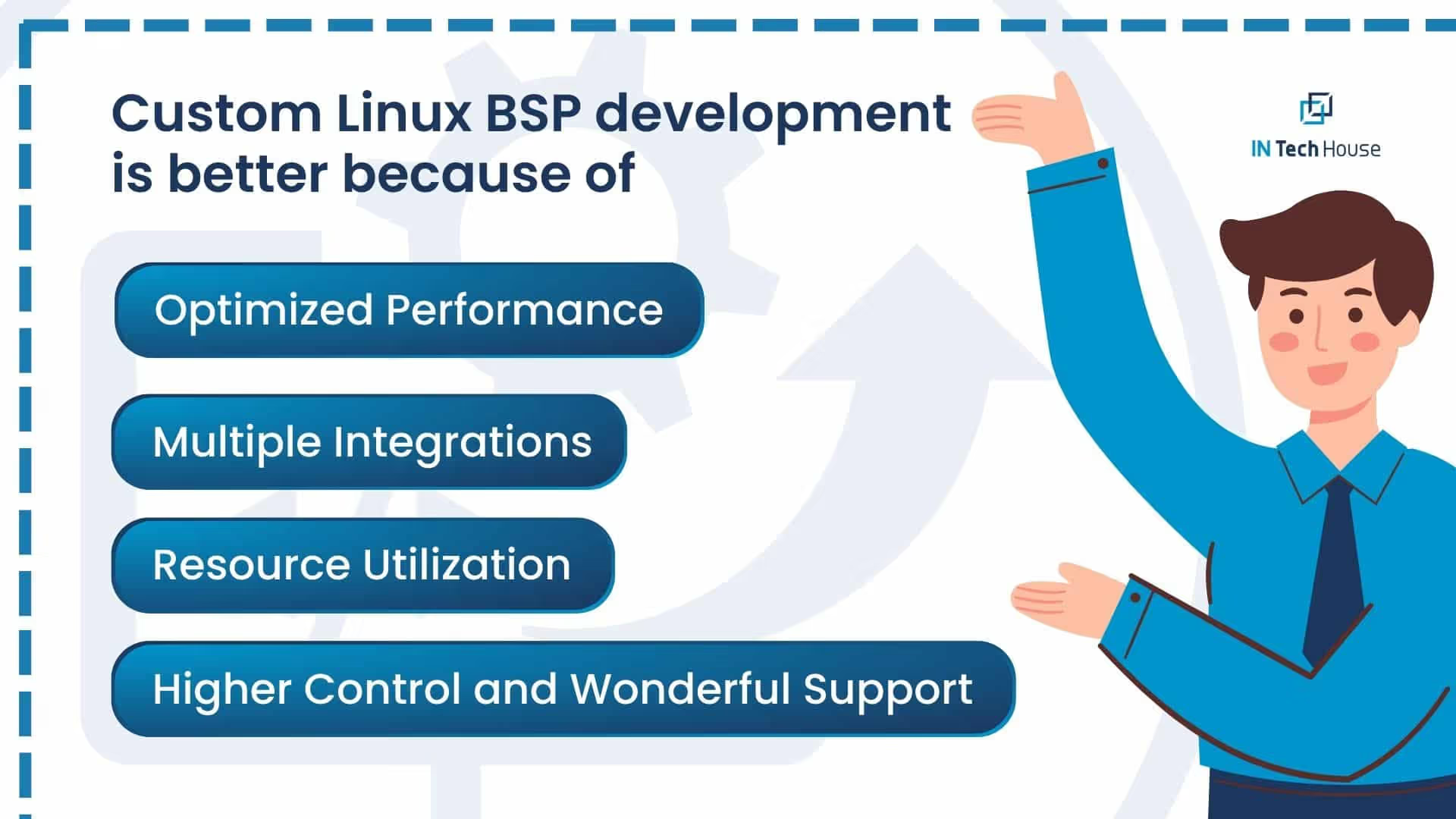
BSP development is the cornerstone of efficient, reliable, and high-performance embedded systems. Custom Linux BSP development takes these advantages even further, tailoring the software to your exact needs. With INTechHouse’s expertise by your side, you can be confident in the success of your embedded projects.
What is the most popular embedded operating system?
The most popular embedded operating system is Linux.
BSP is used for?
BSP, or Board Support Package, is used to provide a standardized interface and essential software components to bridge the gap between the hardware and the operating system in embedded systems.
What is a development kit?
A development kit is a set of tools and resources that assist developers in creating and testing software applications or hardware systems for specific platforms or devices.
What is BSP combined?
BSP, when combined with an operating system, provides a complete software stack that ensures the seamless operation of embedded systems.
What is an embedded target processor?
An embedded target processor is the central processing unit (CPU) specifically designed for use in embedded systems. It's optimized for efficient and reliable operation in embedded applications.
Why does BSP have hardware and software options?
BSP has both hardware and software options to provide a comprehensive solution for embedded systems. The hardware options include drivers and configurations for specific hardware components, while the software options include the necessary software interfaces and tools.
What is a boot loader?
A boot loader is a small program that initializes the hardware, loads the operating system, and ensures a secure boot process in embedded systems.
What is a root file system?
A root file system is the base directory of the file structure in an operating system. It contains essential files and directories that are required for the OS to function.
Is BSP better for a computer or CPU card?
BSP is typically designed to work with a wide range of embedded systems and processors. The choice between a computer and a CPU card depends on the specific requirements of the application. BSP can be used for both, depending on the context and use case.
This initial conversation is focused on understanding your product, technical challenges, and constraints.
No sales pitch - just a practical discussion with experienced engineers.
Share a few details about your product and context. We’ll review the information and suggest the most appropriate next step.